Federal Reserve Estimates Off-Balance-Sheet Liabilities of Major AI Companies at Over $3 Trillion
The largest technology companies have accumulated liabilities for leases, purchases, and guarantees totaling over $3 trillion, linked to the development of AI infrastructure.
The calculation includes Amazon, Alphabet, Broadcom, Meta, Microsoft, Nvidia, and Oracle. Over $1 trillion is accounted for by signed lease agreements that have not yet come into effect. Another over $2 trillion is tied to contracts with mandatory payment for agreed volumes and residual value guarantees. The specified amounts represent future nominal payments without discounting, so they cannot be directly compared with the companies' debt.
Such agreements help finance the construction of data centers. A company with a high credit rating pledges to lease capacities or support a project, and the developer uses this commitment to attract a loan. Part of the risks is then transferred to investment funds, insurers, and other participants in the private debt market.
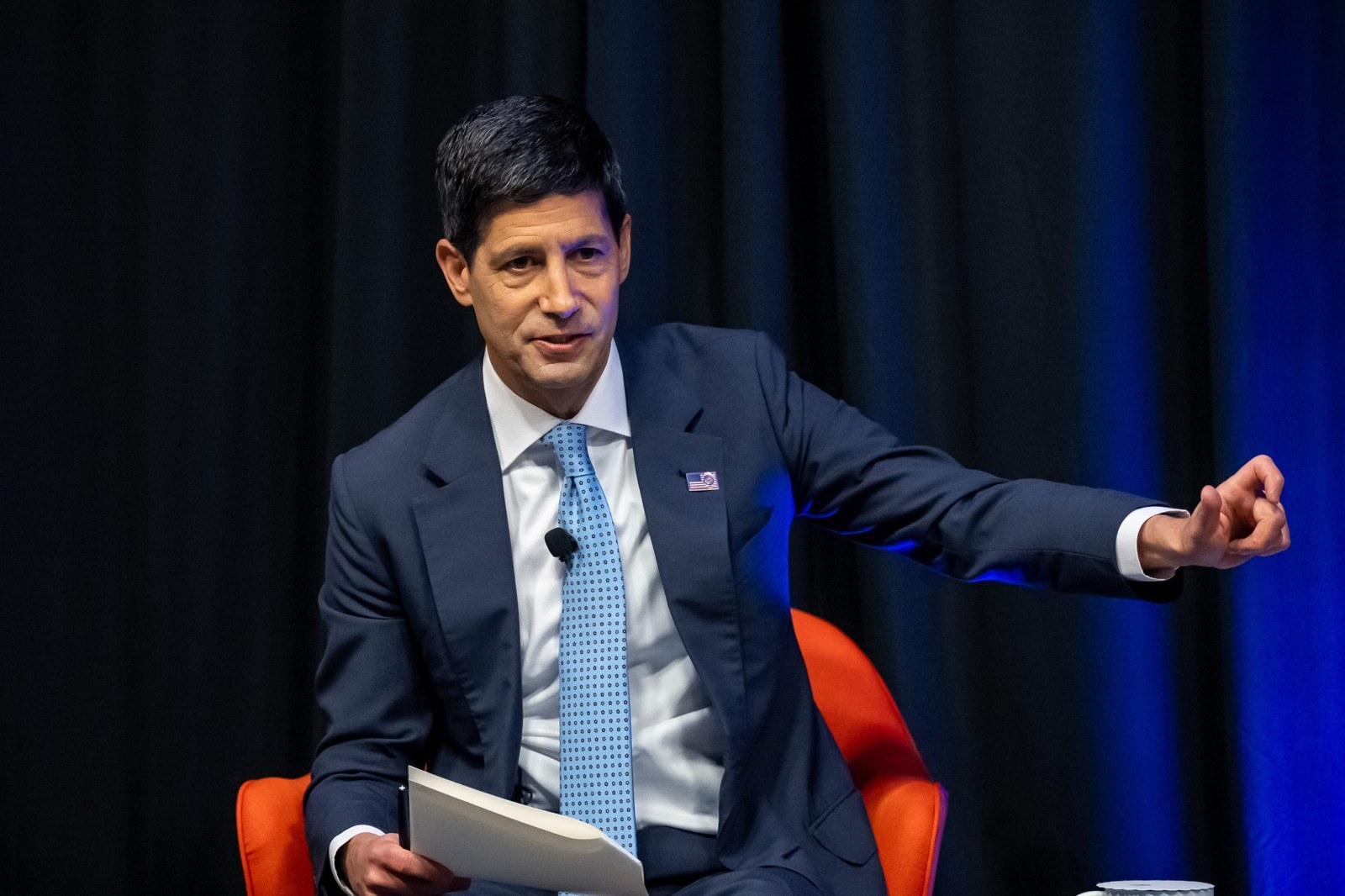
Federal Reserve Board Governor Michael Barr warned that the complexity of such schemes complicates the assessment of who will bear losses if demand deteriorates. This uncertainty, he said, could amplify sell-offs when investor sentiment shifts.

Borrowing for the development of advanced computing is growing rapidly. By October 2026, the volume of debt issued in a year exceeded $680 billion, compared to $130 billion for the whole of 2023. The Federal Reserve estimates the total volume of outstanding public debt related to such computing at over $1.1 trillion.
Fortune cites the example of Nvidia's guarantees for an AI campus project in Ohio, where an OpenAI entity is expected to be the lessee. Under certain conditions, Nvidia is obligated to cover shortfalls in lease payments. The maximum amount of the initial obligation is $105 billion, and the start of facility operations is expected from 2028. OpenAI, in turn, has committed to reimburse Nvidia for the paid amounts.
Barr stated that he is currently less concerned about direct bank losses, given the volume of debt fueling the current investment boom. However, the Federal Reserve believes it is necessary to closely monitor off-balance-sheet liabilities: in a downturn, the actual risks of technology companies may turn out to be higher than their balance sheet indicators suggest.