IMF Supports Further Increase in Energy Tariffs
IMF Resident Representative Koba Gvenetadze has supported a further increase in tariffs in Uzbekistan to cost-recovery levels
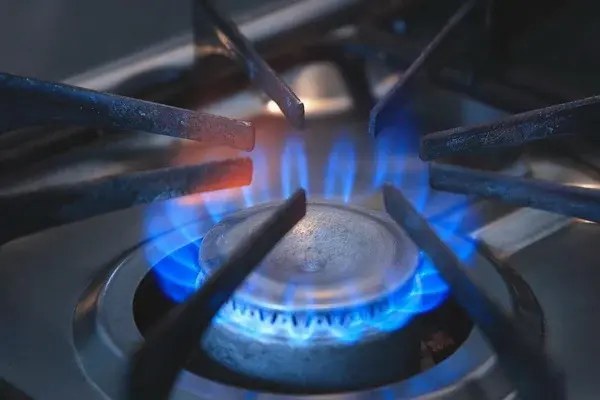
From 15 November, prices for liquefied gas will rise in Uzbekistan. According to Gvenetadze, compensations are provided for vulnerable population groups to mitigate the impact of the price increase.
The IMF also supports the tariff reform, as current prices for utilities and energy carriers do not yet cover the costs of their provision. Maintaining low tariffs, Gvenetadze noted, can stimulate excessive consumption and increase budget expenditures on energy subsidies.
The tariff increase first affected enterprises, followed by the population. The Fund’s representative called the reform one of the factors complicating the reduction of inflation to the Central Bank’s target level. In his assessment, prices should gradually approach cost-recovery levels.

Deputy Chairman of the Central Bank Nodirbek Achilov advocated for targeted and time-limited subsidies. In his view, such measures should clearly define recipients and the date for ending support. The regulator cannot eliminate the direct impact of tariff increases on prices but monitors their secondary effects—such as inflation expectations, wages, and the cost of other goods and services.
To curb these consequences, the Central Bank maintains interest rates at a sufficiently high level. An IMF study notes that in countries with large fuel subsidies, the impact of supply shocks on inflation is roughly half as strong, but three years after the shock, the primary budget balance deteriorates.