Rothschild & Co Raises Rating for American Airlines (AAL)
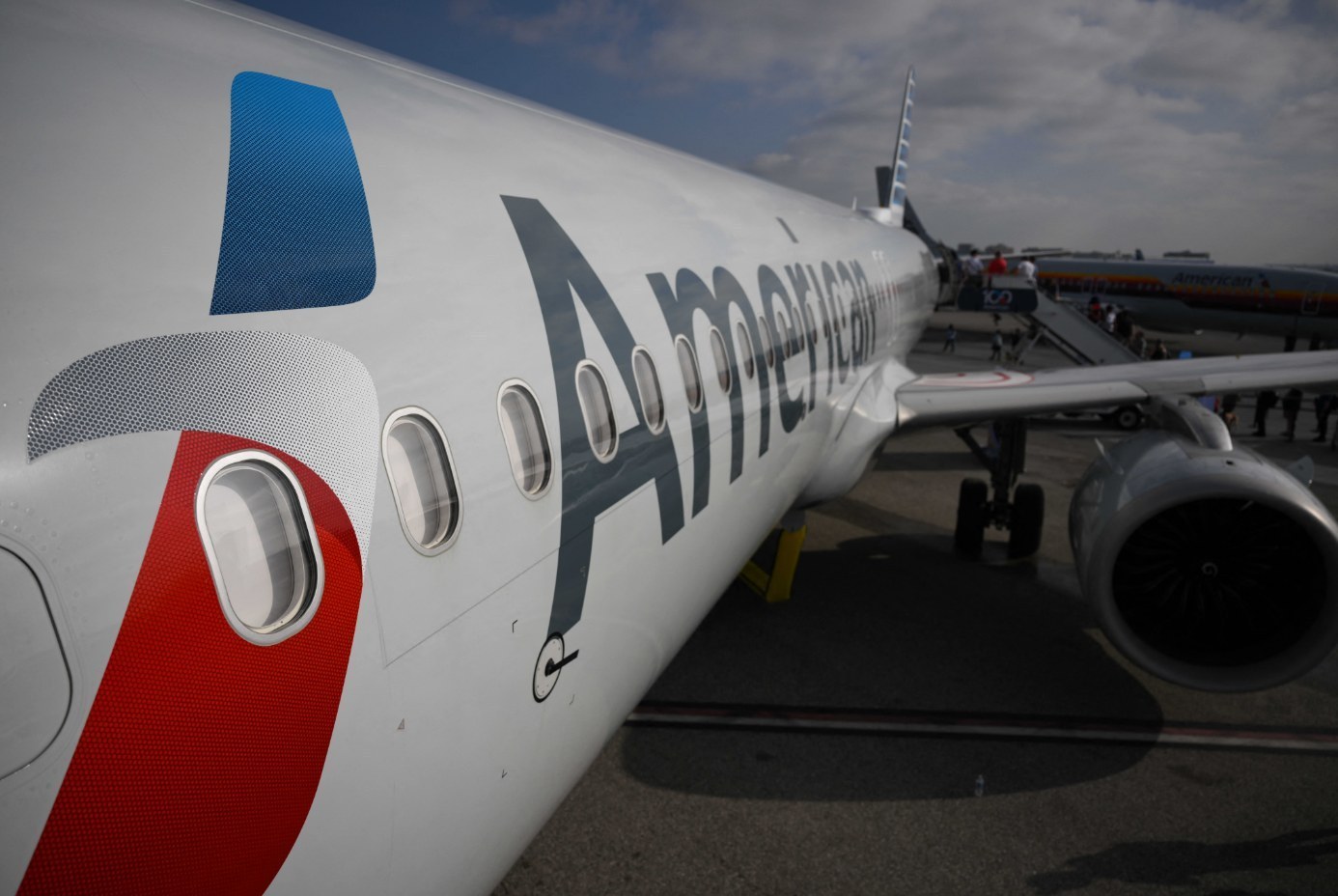
The airline's shares ranked 7th in a list of 10 stocks with upgraded analyst recommendations
The U.S. stock market concluded a sharp rebound following its steepest weekly decline since April 2025: on Tuesday, the S&P 500 index lost 0.38%, the Dow Jones dropped 0.30%, and the Nasdaq Composite fell by 0.74% amid fresh consumer price statistics and hawkish rhetoric from Federal Reserve System (FRS) representatives.
According to the U.S. Department of Labor, the Consumer Price Index (CPI) rose by 0.4% in October, against a forecast of 0.3%, while core inflation accelerated to 0.3% instead of the expected 0.2%. Following the report's release, the market now estimates an 84% probability of a 0.25 percentage point increase in the key rate in December, while expectations for a 0.5 percentage point hike surged from zero to 15%. Short-term Treasury bond yields and the dollar exchange rate moved upward.
Federal Reserve Board of Governors member Christopher Waller stated the necessity of a December rate hike and allowed for a more aggressive move if the situation worsens. Dallas Fed President Lorie Logan noted the need for at least two quarter-point increases. Meanwhile, Kansas City Fed President Jeffrey Schmid described the current policy as "sufficiently soft," and Fed Vice Chair for Supervision Michelle Bowman limited her remarks to stating that combating inflation remains the top priority.
As Edward Jones senior economist James McCann noted, concerns are growing in the market that underlying price pressures are intensifying again. The next benchmark for investors will be the Producer Price Index (PPI) data, set to be released on Friday.